Top 10 Sports Every Student Should Play for Fitness, Focus and Growth
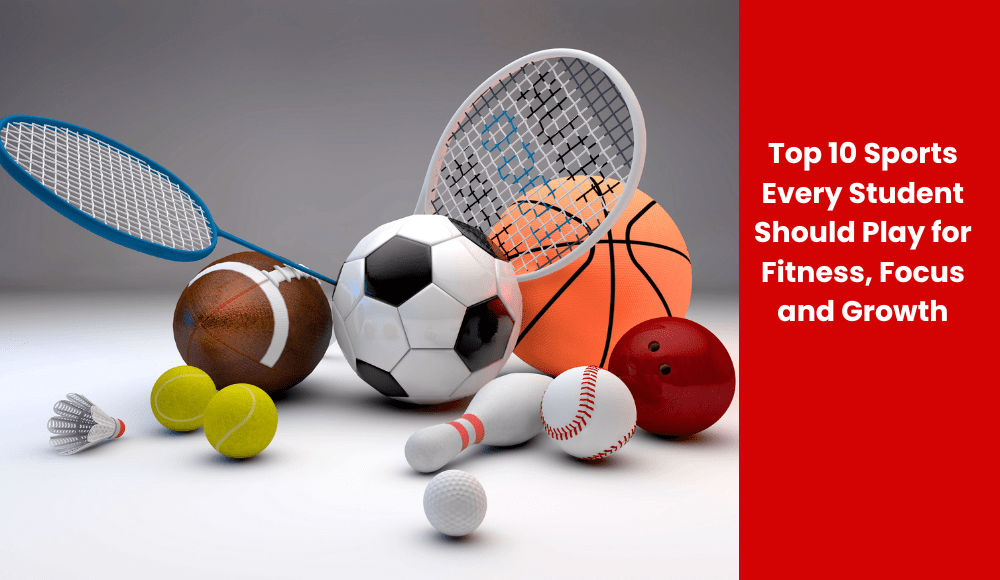
Physical activity is no longer just an extracurricular add-on — it’s a core part of a well-rounded education. With rising screen time and academic pressure, sports for schools are becoming essential for building healthier, sharper, and more resilient students. Whether it’s a quick game during recess or a structured training program, sports activities in schools help children develop discipline, teamwork, and confidence that carry far beyond the playground.
If you’ve ever wondered “which sport is best for students?” or “how many hours of sports should a student play per week?” — this guide breaks down the top 10 sports every student should try, and why they matter for fitness, focus, and long-term growth.
Why Sports Matter for Students
Before diving into the list, it’s worth understanding why student sports deserve a permanent place in every school’s timetable:
- Physical fitness — builds strength, stamina, and coordination
- Mental focus — improves concentration and reduces academic stress
- Social growth — teaches teamwork, communication, and leadership
- Emotional resilience — builds confidence and the ability to handle wins and losses gracefully
- Long-term habits — instills a lifelong appreciation for staying active
With that context, here are the top 10 sports that offer the best return on time invested for sports students of all ages.
-
Football (Soccer)
Football is one of the most accessible sports activities in schools — all you need is a ball and open space. It builds cardiovascular endurance, leg strength, and agility while teaching quick decision-making under pressure. Team dynamics on the field translate directly into collaborative skills in the classroom.
Best for: Endurance, teamwork, strategic thinking
-
Basketball
Basketball is fast-paced and demands sharp reflexes, hand-eye coordination, and spatial awareness. It’s an excellent choice for students who want a high-intensity workout that also sharpens focus and split-second judgment — skills that carry over into exams and problem-solving.
Best for: Coordination, agility, quick thinking
-
Cricket
A favorite across many schools, cricket blends patience with bursts of physical exertion. It teaches students to stay mentally alert for long periods, a skill that mirrors the sustained focus needed during long study sessions or exams.
Best for: Patience, concentration, hand-eye coordination
-
Badminton
Lightweight and low-cost, badminton is ideal for schools with limited space. It’s a fantastic full-body workout that improves reflexes and cardiovascular health, making it one of the most popular sports for schools with smaller playgrounds or indoor courts.
Best for: Reflexes, stamina, low-injury-risk exercise
-
Swimming
Swimming is a full-body sport that builds strength without putting stress on joints. It’s particularly effective for students looking to improve lung capacity and mental discipline, since swimming laps requires steady rhythm and focus.
Best for: Full-body strength, lung capacity, discipline
-
Athletics (Track and Field)
Running, jumping, and throwing events form the foundation of physical fitness. Athletics teaches goal-setting and self-improvement, as students track their own personal bests over time — a powerful lesson in growth mindset.
Best for: Speed, endurance, self-discipline
-
Table Tennis
Often overlooked, table tennis is one of the best sports for improving reaction time and mental sharpness. It requires minimal space, making it easy to include as one of the sports activities in schools even without a large sports ground.
Best for: Reflexes, focus, hand-eye coordination
-
Yoga and Fitness Training
Not a competitive sport in the traditional sense, but yoga and structured fitness routines are increasingly part of school curriculums. They help students manage stress, improve flexibility, and build body awareness — especially useful during exam season.
Best for: Stress relief, flexibility, mindfulness
-
Volleyball
Volleyball combines quick reflexes with strong teamwork, since every point depends on coordinated effort. It’s a great option for building communication skills alongside physical fitness, and works well as both an indoor and outdoor activity.
Best for: Teamwork, communication, agility
-
Adventure Sports
For students looking to step outside conventional games, trying an adventure sports name like rock climbing, trekking, cycling, or kayaking can be transformative. These activities push students out of their comfort zone, build courage, and teach risk assessment and problem-solving in real-world settings.
Best for: Confidence, resilience, decision-making under pressure
Also Read : Sports as a Vehicle for Character Building and Teamwork in Schools
How to Choose the Right Sport for Your Child
Every student is different, so the “best” sport depends on individual interests and goals:
- For fitness-focused students: Swimming, athletics, or football
- For introverted students: Badminton, table tennis, or yoga
- For team-building: Basketball, volleyball, or cricket
- For thrill-seekers: Adventure sports like trekking or climbing
Frequently Asked Questions
Why are sports important for students?
Sports improve physical health, boost concentration, reduce stress, and teach life skills like teamwork, discipline, and resilience — all of which support better academic performance.
How many hours should a student spend on sports each week?
Most experts recommend at least 3–5 hours per week of physical activity, spread across school sports periods and personal practice.
What is the easiest sport for beginners in school?
Badminton and table tennis are considered beginner-friendly since they require minimal equipment and can be learned quickly.
Can sports improve academic performance?
Yes. Regular physical activity increases blood flow to the brain, improves memory, and enhances focus — all of which contribute to better classroom performance.
What are some good adventure sports for students?
Trekking, rock climbing, cycling, kayaking, and zip-lining are popular adventure sports that build confidence and physical endurance in a fun, outdoor setting.
Which sport is best for a student’s overall growth?
There isn’t a single “best” sport — football and basketball build teamwork, swimming and athletics build endurance, and badminton or table tennis sharpen focus. The ideal choice depends on the student’s interests and fitness goals.
How do sports help reduce stress in students?
Physical activity releases endorphins, which naturally lower cortisol (the stress hormone) and improve mood. Sports also give students a mental break from academic pressure, helping them return to studies feeling refreshed.
Should schools make sports compulsory?
Many educators argue yes — making sports activities in schools compulsory ensures every student, not just the naturally athletic ones, gets the physical and mental benefits of regular movement.
What is the best age to start playing sports?
Children can start basic physical activities and games as early as age 4–5. Structured, competitive sports for schools typically begin around age 8–10, once basic motor skills and coordination are developed.
Can introverted students benefit from team sports?
Yes. While individual sports like swimming or badminton may feel more comfortable initially, team sports like volleyball or basketball can help introverted students build communication skills and confidence in a supportive group setting.
How do sports help with time management skills?
Balancing practice schedules, matches, and academics teaches sports students to prioritize tasks and manage their time efficiently — a skill that benefits them well into college and their careers.
Are indoor sports as beneficial as outdoor sports?
Indoor sports like table tennis and badminton offer strong cardiovascular and reflex benefits, though outdoor sports add the extra advantage of fresh air, sunlight (vitamin D), and larger-scale movement.
Final Thoughts
Encouraging student sports isn’t just about producing athletes — it’s about raising healthier, more focused, and more confident individuals. At K.R. Mangalam Global School, sports activities help students build skills that extend far beyond the field, including discipline, teamwork, and the resilience to handle life’s ups and downs.
Whether a child gravitates towards team sports like football and basketball, individual pursuits like swimming and athletics, or the thrill of adventure sports such as rock climbing, the goal remains the same — consistent movement, sustained focus, and holistic growth.