The Importance of Community Service in the IB Curriculum
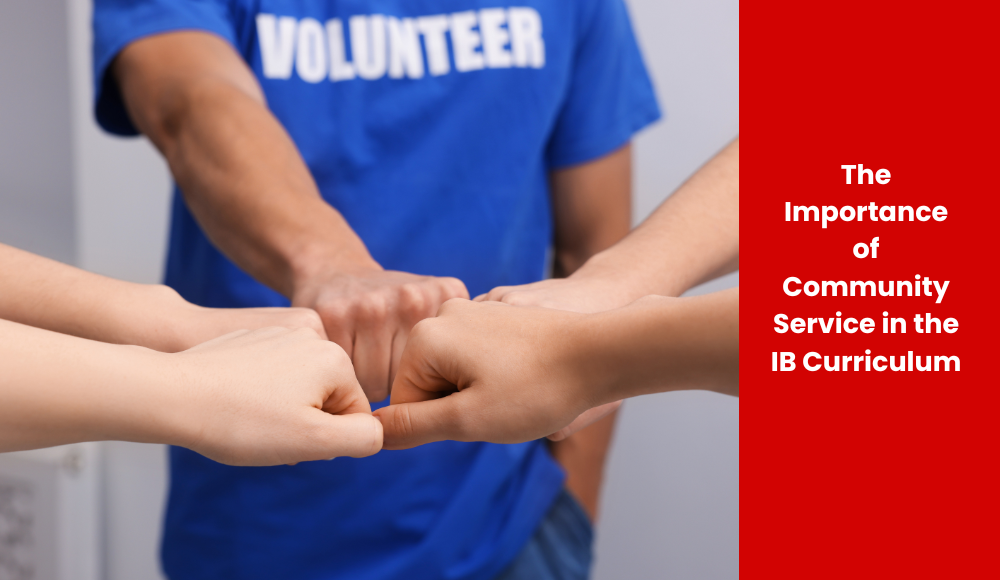
In an increasingly interconnected world, the ability to empathize with others and contribute positively to society is more important than ever. The International Baccalaureate (IB) programme recognizes this and integrates community service into its curriculum to foster a sense of responsibility, empathy, and global citizenship among its students. Community service within the IB framework encourages students to engage with their communities, address real-world issues, and develop valuable life skills. This article explores the importance of community service in the IB curriculum and how it helps shape students into compassionate, responsible, and proactive individuals.
Promoting Social Responsibility and Ethical Leadership
Community service plays a pivotal role in promoting social responsibility within the IB curriculum. By participating in service projects, students develop an awareness of social issues such as poverty, education inequality, environmental degradation, and human rights. These experiences allow them to see the world beyond their immediate surroundings and understand the challenges faced by different communities. As a result, IB students become more socially conscious and are empowered to take action to make positive changes. The community service component helps instill values of ethical leadership, teaching students that leadership goes beyond individual achievement to include the well-being of others.
Developing Empathy and Compassion
One of the core values of the IB programme is fostering a sense of empathy and compassion in students. Community service projects allow students to connect with individuals from diverse backgrounds and learn about their struggles and aspirations. By working closely with people who may have different life experiences, IB students are encouraged to step outside their comfort zones and understand different perspectives. This exposure to diverse communities helps develop emotional intelligence and a deeper sense of compassion, qualities that are essential for creating a more empathetic and inclusive world.
Building Global Citizenship
IB schools emphasize the importance of preparing students to become global citizens, capable of engaging with complex global issues. Community service, particularly through international service learning projects, offers IB students an opportunity to actively participate in global initiatives. By engaging in service projects that address international issues, such as climate change or global health, students develop a broader understanding of their roles and responsibilities in the world. This global perspective is crucial in shaping students who are not only aware of their local community’s needs but also motivated to contribute to the world as a whole.
Enhancing Personal Development and Growth
Community service provides valuable opportunities for personal growth, helping IB students build critical life skills such as teamwork, problem-solving, time management, and communication. Working in diverse teams to address real-world challenges fosters collaboration, encourages initiative, and develops leadership abilities. Additionally, the reflective component of community service encourages students to evaluate their own actions and the impact they have on others, promoting self-awareness and emotional growth. These experiences contribute significantly to the development of well-rounded individuals who possess the resilience and adaptability needed to thrive in a rapidly changing world.
Encouraging a Sense of Purpose and Motivation
Engaging in community service allows IB students to see the tangible impact of their efforts. Whether it’s helping a local school, supporting environmental initiatives, or volunteering at a healthcare facility, students witness firsthand how their contributions make a difference. This sense of purpose can significantly enhance their motivation and drive, both academically and in their personal lives. Students who engage in community service are more likely to be driven by a desire to help others, which often translates into a stronger work ethic, higher levels of academic engagement, and a deeper commitment to their personal and professional goals.
Strengthening Community Connections
One of the key benefits of community service is the opportunity it provides for students to build connections within their communities. By participating in local service projects, students interact with a variety of people, including community leaders, fellow volunteers, and individuals who benefit from the services provided. These connections help students build a sense of belonging and responsibility toward their community. Additionally, students gain valuable networking opportunities that can serve them in future endeavors, whether in further education, career development, or future volunteer opportunities.
Integrating Service into the Curriculum through CAS (Creativity, Activity, Service)
In the IB Diploma Programme (DP), the Creativity, Activity, Service (CAS) component is designed to ensure that students engage in extracurricular activities that contribute to their personal growth. CAS encourages students to participate in community service initiatives that align with their interests and passions, further enhancing their learning experience. The structured framework of CAS ensures that community service is not just an isolated activity but an integral part of the IB curriculum. Students are required to reflect on their service experiences, set goals, and evaluate their progress, which reinforces the importance of continuous learning and self-improvement.
Summary:
Community service is an integral part of the IB curriculum at K.R. Mangalam Global School GK-1, the leading IB school in South Delhi, playing a significant role in the development of responsible, compassionate, and proactive individuals. Through service, IB students learn to empathize with others, address global and local challenges, and contribute positively to society. The skills and values gained through community service — from leadership and teamwork to critical thinking and reflection — prepare students to succeed in their academic pursuits and beyond. As the world faces increasingly complex social and environmental challenges, the importance of community service in shaping the next generation of leaders cannot be overstated. IB schools, through their commitment to service, are nurturing a generation that will actively contribute to building a better, more just world.