How Schools Can Promote Mental Health and Well-being Among Students
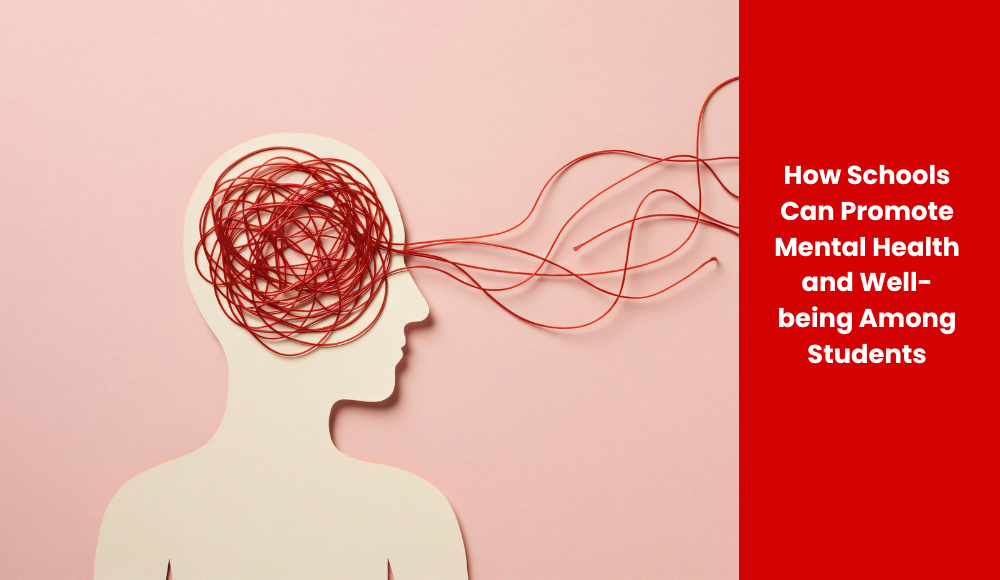
The mental health and well-being of students is an essential aspect of their overall development and academic success. In recent years, there has been an increasing recognition of the importance of supporting students’ mental health, particularly in light of growing concerns about stress, anxiety, and other emotional challenges faced by young people. Schools, as primary environments for learning and personal growth, play a crucial role in promoting mental health and well-being among students. This article explores how schools can create a supportive environment that fosters mental health, resilience, and emotional well-being, ensuring that students not only succeed academically but also thrive emotionally and socially.
Integrating Mental Health Education into the Curriculum
One of the most effective ways schools can promote mental health is by integrating mental health education into the curriculum. By teaching students about the importance of mental well-being, recognizing signs of distress, and providing strategies to manage stress and emotions, schools can help reduce stigma and raise awareness around mental health issues. Incorporating topics such as emotional regulation, resilience, mindfulness, and coping skills into regular lessons ensures that students have the knowledge and tools to take care of their mental health. This proactive approach equips students with lifelong skills to navigate challenges both inside and outside the classroom.
Creating a Supportive School Environment
A supportive and inclusive school environment is key to promoting mental health. Schools should foster a culture of respect, kindness, and acceptance, where students feel safe and valued. When students experience a sense of belonging, they are more likely to have positive mental health and a strong sense of self-worth. Schools can promote a supportive environment by addressing bullying, creating anti-discrimination policies, and encouraging positive relationships among peers. This also involves encouraging staff to be mindful of students’ emotional well-being and creating spaces where students can express themselves freely, such as designated safe zones or peer support groups.
Providing Access to Mental Health Resources
Schools can promote mental health by providing easy access to mental health resources and support services. This includes having trained counsellors available to students who may need professional guidance, as well as offering resources such as helplines, mental health workshops, and online tools for managing stress. Regular mental health screenings can also help identify students who may need additional support. By creating a clear system for students to access help, schools ensure that students can reach out when they are struggling with their mental health, making it easier for them to receive timely and appropriate care.
Encouraging Physical Activity and Healthy Lifestyles
Physical activity has long been associated with mental well-being. Regular exercise helps reduce stress, improve mood, and boost cognitive function. Schools can promote mental health by encouraging students to participate in physical activities, whether through sports, fitness classes, or recreational activities. A healthy lifestyle, including proper nutrition, adequate sleep, and hydration, also plays a significant role in maintaining mental well-being. Schools should educate students about the link between physical health and mental health and encourage habits that support both. Providing opportunities for physical activity during the school day, such as recess, physical education classes, and after-school sports programs, can have a positive impact on students’ emotional and mental health.
Fostering Social Connections and Peer Support
Strong social connections are essential for mental well-being. Schools can foster social connections by creating opportunities for students to build relationships with their peers through group activities, clubs, and collaborative projects. Peer support programs, such as mentorship schemes or peer counseling, can also be beneficial, allowing students to connect with others who may have similar experiences. These programs help students feel understood and supported, reducing feelings of isolation. Encouraging open communication and promoting a culture of empathy among students also strengthens social bonds and creates a positive environment where students feel supported by their peers.
Implementing Stress Management and Mindfulness Practices
Managing stress is a key component of maintaining mental health. Schools can support students by providing stress management techniques and mindfulness practices that help them cope with academic pressure and daily challenges. This could include teaching students breathing exercises, guided meditation, or relaxation techniques that can be used during stressful times. Many schools are now incorporating mindfulness programs into the curriculum, where students learn how to focus, regulate emotions, and build resilience in the face of adversity. By equipping students with tools to manage stress, schools can reduce the negative impact of anxiety and pressure on mental health.
Offering Personalized Support for Students with Special Needs
Students with special educational needs or mental health challenges may require additional support. Schools should implement individualized strategies to ensure that these students receive the attention and care they need to thrive academically and emotionally. Personalized learning plans, additional counseling, and accommodations for exams or assignments can help students with specific challenges manage their mental health while succeeding in their studies. By offering tailored support, schools can ensure that all students, regardless of their needs, feel included and capable of reaching their full potential.
Summary:
Promoting mental health and well-being among students is essential for their overall success and development. K.R. Mangalam Global School, GK-1 play a critical role in creating a supportive environment where students can thrive emotionally, socially, and academically. By integrating mental health education, offering stress management resources, providing personalized support, and fostering a positive school culture, schools can ensure that students have the tools they need to maintain good mental health throughout their lives. The impact of these initiatives goes beyond the classroom, shaping students into resilient, confident individuals capable of facing the challenges of the future with emotional strength and well-being.